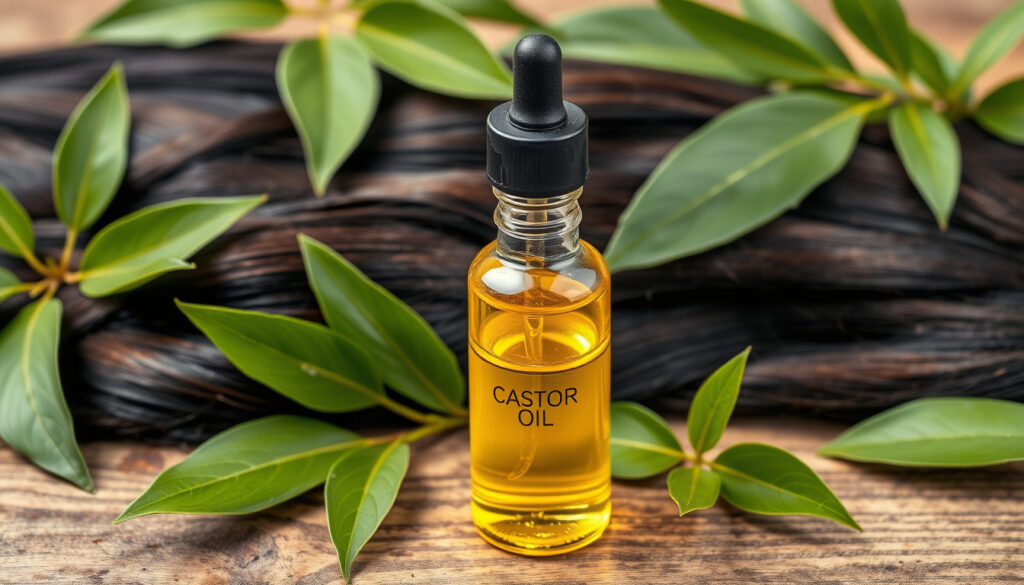
Castor Oil for Hair: Benefits, Uses & Side Effects Guide
Castor oil dominates hair-care marketing as a growth miracle, yet the scientific evidence to support those claims is remarkably thin. Health sources confirm real moisturizing benefits, but dermatologists confirm no clinical studies validate actual hair growth promotion. This guide cuts through the hype with proven facts, plausible benefits, and genuine risks.
Scientifically proven for growth: No ·
Key component: Ricinoleic acid ·
Common uses: Moisturizing, anti-inflammatory ·
Evidence type: Anecdotal ·
Top sources: MedicalNewsToday, VeryWellHealth
Quick snapshot
- Castor oil is 90% ricinoleic acid (Hims)
- Moisturizing properties confirmed by health sources (Prevention)
- Whether it directly promotes hair growth (Prevention)
- Actual regrowth potential in balding individuals (Strut Health)
- No clinical studies found as of 2023+ (Prevention)
- FDA approved finasteride and minoxidil in 1997 for hair loss (Strut Health)
- Apply sparingly if at all; consider FDA-approved alternatives (Strut Health)
- Patch testing remains essential before widespread use (Hims)
The following table summarizes key properties of castor oil based on documented sources.
| Property | Value |
|---|---|
| Primary source | Ricinus communis plant |
| Main fatty acid | Ricinoleic acid (90%) |
| Texture | Thick and viscous |
| Growth evidence | Anecdotal |
Is castor oil good for your hair growth?
The short answer is more complicated than most product pages admit. Castor oil does deliver real benefits for moisturizing and scalp health, which can indirectly support hair condition. However, dermatologists stress that no clinical studies confirm castor oil actually promotes new hair growth.
Benefits for hair growth
Castor oil’s primary component is ricinoleic acid, which makes up about 90% of the oil’s fatty acid content. Ricinoleic acid reportedly has antioxidant and anti-inflammatory properties that may improve scalp circulation, according to health sources. Some proponents claim this increased blood flow delivers more oxygen and nutrients to hair follicles, potentially creating a healthier environment for existing hair. Prevention notes that castor oil adds shine and may offer some protection from UV and pollution via its antioxidant content. However, these benefits relate to hair quality and scalp health rather than stimulating new growth cycles.
Evidence from health sources
Dr. Luke, a dermatologist quoted by Prevention, stated directly: “There are no clinical studies looking at the role of castor oil in hair growth.” This absence of evidence is significant because the hair-care industry often conflates improved moisture with actual growth promotion. WebMD confirms that while castor oil may moisturize scalp and hair, no science backs either dandruff treatment or direct hair growth claims. The distinction matters for anyone spending money on products expecting regrowth results they won’t see.
For those experiencing pattern hair loss, FDA-approved treatments like finasteride and minoxidil have demonstrated efficacy in clinical trials. Castor oil cannot claim similar evidence. Strut Health identifies these two medications as the only drugs FDA-approved specifically for patterned hair loss.
How do you use castor oil for your hair?
Application methods vary, but the consensus among health sources centers on moderation and preparation. The oil’s thick, viscous texture requires warming before use and often dilution with a carrier oil for easier spreadability.
Application methods
Hims recommends applying castor oil overnight with a shower cap, then washing it out in the morning. For this method, warm a small amount between your palms until fluid, then massage into the scalp using fingertips rather than nails. AFAM Concept suggests massaging warmed castor oil into the scalp weekly as a general routine. For the overnight method, Hims advises using a shower cap to contain the oil and prevent bedding stains. In the morning, use a clarifying shampoo to remove residue, as the oil can build up and clog pores if left on too long or in too-high quantities.
Frequency and tips
Strut Health recommends scalp massage with castor oil once a week for those with dry, flaky scalps. More frequent application increases the risk of pore clogging and buildup. Hims advises performing a patch test behind the ear for a full week before any widespread use to check for allergic reactions. Dilution with carrier oils like jojoba or coconut can reduce the concentration for those with sensitive scalps. For fine or greasy hair, Prevention recommends avoiding castor oil entirely because it may weigh hair down and create a greasy appearance.
What are the disadvantages of castor oil for hair?
The very properties that make castor oil effective as a moisturizer create its main drawbacks. Its thickness, while sealing in moisture, also creates significant risks for scalp health and hair texture when misused.
Potential side effects
Excess castor oil can clog pores, cause buildup, trigger scalp irritation, and worsen dandruff and itching according to Prevention. WebMD documents more serious risks including acne, folliculitis, allergic reactions, and contact dermatitis from topical application. The most alarming documented risk involves hair felting, a condition where the oil causes hair fibers to mat together into a solid mass. WebMD confirms hair felting cases have been documented in medical literature, sometimes requiring haircuts to resolve. Strut Health notes that acute hair felting can occur if castor oil is used in large amounts, creating severe tangling that goes beyond normal knots.
Who should avoid it
Prevention specifically advises avoiding castor oil if you have fine or greasy hair because the heavy oil may weigh it down excessively. Those with a history of scalp acne or folliculitis should also be cautious, as the occlusive nature can worsen these conditions. WebMD identifies the risk of clogged pores and acne from castor oil use. Anyone with known allergies to castor beans should obviously avoid the product entirely. Medical News Today warns that castor oil can cause skin irritation or allergic reactions even in people without obvious sensitivities, which is why patch testing is universally recommended.
The same thick texture that seals in moisture also seals out air to your scalp. Pores can become clogged with repeated use, leading to folliculitis or acne breakouts along the hairline and scalp.
How to use castor oil for hair growth and thickness?
Anyone searching for thickness results faces the same evidence gap: what sounds promising in theory often doesn’t translate to visible results. Understanding realistic expectations matters before investing time or money.
Recipes for thickness
Verbena The Salon suggests mixing castor oil with rosemary or peppermint oil for a growth boost, though this claim relies on anecdotal reports without clinical backing. The theoretical mechanism involves essential oils potentially increasing circulation, similar to claims made about minoxidil, but without any pharmaceutical-grade evidence. For thickness specifically, Hims recommends using castor oil sparingly on ends to prevent tangles in dry hair types. The goal is moisture without the weight that leads to matting or felting.
Before and after expectations
Dr. Luke’s assessment to Prevention was straightforward: “Castor oil won’t magically make hair grow overnight, it creates the ideal scalp environment for stronger, healthier growth.” This framing acknowledges that any benefits relate to existing hair quality rather than new growth stimulation. Verbena The Salon similarly positions the oil as a supportive product that “creates the ideal scalp environment” rather than a direct growth agent. Before-and-after photos circulating online typically show improved shine and manageability, not regrowth in bald areas. Anyone expecting visible new growth within weeks will likely be disappointed.
Those with pattern hair loss seeking actual regrowth have FDA-approved options with documented clinical evidence. Castor oil may improve hair quality for some, but it cannot replace treatments with proven efficacy.
Why is my hair falling out after using castor oil?
Hair loss during or after using castor oil can stem from several mechanisms, and the cause determines whether discontinuing use will resolve the issue.
Causes of hair loss
Castor oil is not directly proven to cause hair loss, but several factors associated with its use can contribute to shedding. The thick oil can clog scalp pores, potentially creating an unhealthy environment for hair follicles and indirectly triggering temporary increased shedding. WebMD documents the risk of folliculitis from castor oil, which inflames hair follicles and can accelerate hair loss in affected areas. Strut Health notes that scalp irritation from the oil can trigger shedding in some users, particularly those with sensitive skin or allergies. Improper removal leading to significant buildup may also stress hair roots.
When to stop use
Anyone noticing increased shedding, scalp irritation, redness, itching, or acne-like bumps on the scalp after starting castor oil should discontinue use immediately. Strut Health recommends consulting a dermatologist or healthcare professional if hair loss continues after stopping the product, as underlying conditions like androgenetic alopecia or thyroid issues could be responsible. Medical intervention can identify actual causes and appropriate treatments. Prevention adds that those with fine or greasy hair should avoid castor oil altogether, suggesting the risk outweighs potential benefits for certain hair types.
Upsides
- Moisturizes dry, brittle, or curly hair effectively
- Anti-inflammatory properties may soothe scalp irritation
- Adds shine and protects hair from environmental damage
- Rich in ricinoleic acid (90%) with documented properties
- Jamaican Black Castor Oil works well for thick, coarse, dry hair
Downsides
- No clinical evidence for hair growth promotion
- Can clog pores and cause folliculitis or acne
- Risk of hair felting with excessive use
- May weigh down fine or greasy hair
- Allergic reactions possible even after patch testing
How to apply castor oil for best results
Those who decide to try castor oil despite the evidence limitations should follow established guidelines to minimize risks. For those who decide to try castor oil despite the evidence limitations, learning more about castor oil for hair growth can help minimize risks. Castor oil for hair growth
- Perform a patch test behind the ear for one week before applying to scalp or hair.
- Warm a small amount (a few drops) between palms until the oil becomes fluid.
- Dilute with a carrier oil like jojoba or coconut if you have sensitive skin or a oily scalp.
- Apply to scalp using fingertips, massaging in circular motions for 2-3 minutes.
- Use sparingly on hair lengths if moisture is the goal; avoid heavy application.
- Cover with a shower cap if leaving on overnight, or rinse out after 30-60 minutes.
- Wash thoroughly with clarifying shampoo to remove all residue.
- Limit application to once weekly maximum to prevent buildup.
The thick viscosity that makes castor oil effective at sealing moisture also makes it prone to accumulation. Without thorough washing, each application builds residue that eventually clogs pores and defeats the moisturizing purpose.
What the experts say
Direct quotes from medical professionals and health publications clarify where evidence ends and marketing begins.
“Castor oil tends to have a moisturizing and nourishing effect on the hair, so typically those with dry, brittle, or curly hair may benefit most from use.”
— Dr. Luke, dermatologist (Prevention)
“There are no clinical studies looking at the role of castor oil in hair growth.”
— Dr. Luke, dermatologist (Prevention)
“Castor oil won’t magically make hair grow overnight, it creates the ideal scalp environment for stronger, healthier growth.”
— Verbena The Salon (hair care expert)
“Finasteride and Minoxidil, the only two medications that are FDA-approved for patterned hair loss.”
— Strut Health (health publication)
Related reading: Laser Hair Removal Cost
Castor oil’s role in promoting hair thickness draws from similar evidence explored in castor oil growth guide, balancing hype with expert insights.
Frequently asked questions
Which oils grow hair faster?
No topical oil has clinical evidence for accelerating hair growth at rates faster than the body’s natural cycle. FDA-approved minoxidil and finasteride have documented efficacy for patterned hair loss. Oils like castor may improve hair condition but cannot stimulate growth beyond normal rates.
What are the big 3 for hair regrowth?
The “big 3” in hair regrowth typically refers to finasteride (oral prescription), minoxidil (topical or oral), and ketoconazole (antifungal shampoo). Only finasteride and minoxidil are FDA-approved specifically for androgenetic alopecia. Castor oil does not appear in evidence-based hair regrowth protocols.
What is the Chinese secret to hair growth?
This phrase often appears in product marketing but lacks specific scientific backing. Traditional Chinese Medicine does incorporate various herbal extracts, but no single “Chinese secret” has clinical evidence meeting FDA standards for hair growth. Be skeptical of marketing claims using cultural phrases to imply ancient wisdom.
Is castor oil good for hair dandruff?
Castor oil may help with dryness-related flaking by moisturizing the scalp, but WebMD states no science backs castor oil for actual dandruff treatment. The oil’s thickness can sometimes worsen buildup-related scaling. Those with confirmed dandruff should consult healthcare providers about medicated shampoos with proven efficacy.
Does castor oil work for men’s hair?
Men experiencing male pattern baldness should consider that castor oil lacks clinical evidence for growth in androgenetic alopecia, which is the most common cause of male hair loss. FDA-approved finasteride and minoxidil have documented results in clinical trials specifically for men. Castor oil may benefit men with dry, brittle hair seeking moisture, but not those expecting regrowth.
What is the price of castor oil for hair?
Castor oil products range from approximately $8-25 for a standard 4-8 oz bottle, depending on brand, purity, and whether it’s Jamaican Black Castor Oil or cold-pressed. Higher prices do not indicate greater efficacy for growth claims, which remain unsupported by clinical evidence regardless of cost.
Can castor oil cause allergic reactions?
Yes. Medical News Today and Hims both confirm that castor oil can cause skin irritation or allergic reactions even in users without obvious sensitivities. Patch testing behind the ear for one week before widespread application is universally recommended by health sources. Symptoms of allergic reaction include redness, itching, swelling, or rash at the application site.
More related posts
 Fasting for Blood Work: Rules, Duration, and What to Avoid
 Rachel Bilson Movies and TV Shows: Full Filmography & Career
 What Does Pookie Mean? Slang Meaning, Origins, and More
 White Blood Cell Count: Normal Range, High & Low Explained
 How to Quit a Job: Best Practices, Scripts, and What to Say
 Detroit Tigers vs New York Yankees Match Player Stats – 2024 Series Box Scores & Highlights
 Point Break 1991 Cast: Keanu Reeves, Swayze & Surf Trivia
 49ers vs Los Angeles Rams Match Player Stats 2025: OT Decision