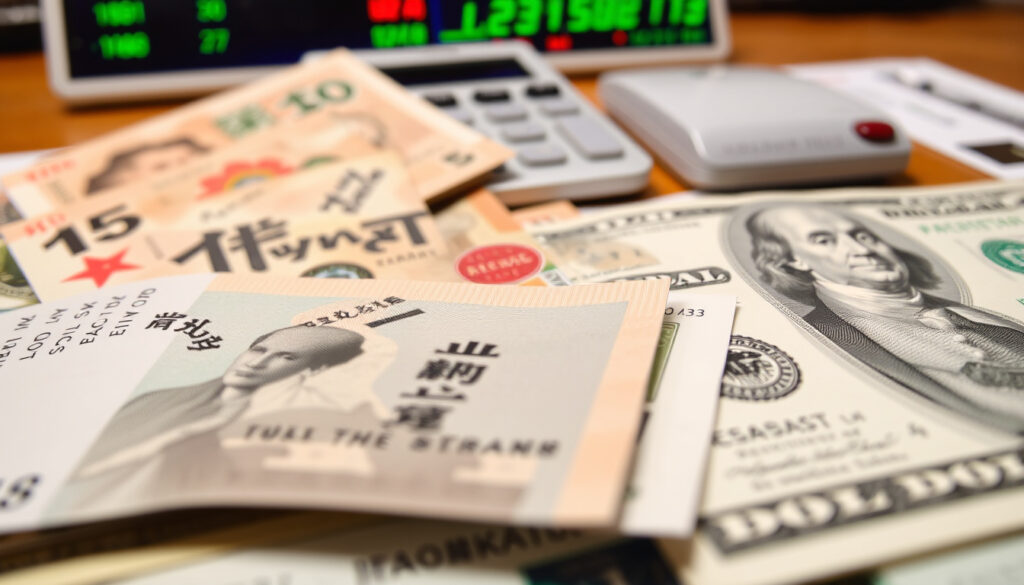
20000 Yen to USD: Convert 20,000 Japanese Yen to Dollars
Twenty thousand yen buys a full day of experiences in Japan, not a week’s worth. This guide breaks down the real-world value of your yen, from daily budgets to cultural etiquette, so you arrive prepared.
Current exchange rate (1 JPY to USD): Approximately 0.0067 USD (as of April 2025) ·
20,000 JPY in USD: Approximately 134 USD ·
Typical meal cost in Japan: 1,000–2,000 JPY ($6.70–$13.40) ·
Average daily budget for budget travelers: 5,000–10,000 JPY ($33.50–$67.00) ·
Recommended cash for 1 week: 50,000–100,000 JPY ($335–$670)
Quick snapshot
- 1 JPY = 0.0067 USD (Xe (live currency converter))
- 20,000 JPY = 134 USD (WorldRemit (money transfer service))
- Rates update daily (Xe (live currency converter))
- Exact rate at the moment of reading (changes in real time)
- Whether 20,000 yen is “a lot” depends on personal spending
- Best day to exchange currency is unpredictable
- Daily budget signal: backpackers spend ¥5,000–8,000/day (Travelkon (travel budget guide))
- Mid-range: ¥10,000–15,000/day (Travelkon (travel budget guide))
- Plan for 7 days: 70,000–150,000 yen total (Travelkon (travel budget guide))
- Carry ¥10,000–20,000 daily cash (Visit Kansai (regional tourism board))
- Use IC cards (ICOCA/PASMO) for transit and convenience stores (Visit Kansai (regional tourism board))
- Inform your bank of travel to avoid card blocks (Visit Kansai (regional tourism board))
Five key figures sum up what you need to know at a glance.
| Label | Value |
|---|---|
| 20,000 JPY in USD | ~134 USD |
| Typical lunch cost | 1,000 JPY |
| Weekly budget (budget) | 50,000–70,000 JPY |
| ATMs in Japan | 7-Eleven, Japan Post, Mizuho (fees apply) |
| Tipping culture | Not practiced |
How much is $20,000 yen in US dollars?
- At live rates, 20,000 Japanese yen equals about 134 US dollars (Xe (live currency converter)).
- Exchange rates fluctuate constantly – the figure above is a snapshot.
- Use a reliable converter like Wise (international money transfer service) for live rates.
Current JPY to USD exchange rate
The rate moves every minute. As of April 2025, 1 JPY hovers around 0.0067 USD. That means 20,000 yen lands near 134 dollars. WorldRemit (money transfer service) shows the same figure on its live converter.
Using a currency converter
For accurate conversions, use Wise, Xe, or your bank’s app. Avoid using Google’s static rate – it often lags. Wise emphasizes that rates are live, not fixed.
Historical exchange rates
The yen has weakened against the dollar over the past year. A year ago, 20,000 JPY might have been worth around 150 USD. Checking historical trends helps you decide whether to exchange now or wait.
The implication: the exact number matters less than understanding that 20,000 yen buys a day’s worth of experiences, not a week’s.
Is 20k yen a lot in Japan?
- 20k yen covers one day for a budget traveler – meals, transport, and one paid attraction.
- It is not a large amount for luxury spending – a nice hotel room alone can cost 15,000 yen.
- Equivalent to about 134 USD, which in Japan goes further than in many Western cities for daily costs.
Cost of living perspective
Japan’s cost of living is moderate. Lunch at a ramen shop: 1,000 yen. A beer: 500 yen. A museum entry: 1,500 yen. 20,000 yen can cover these basics for a day. Japan Travel (travel guide) estimates a budget traveler spends about 70,000–90,000 yen per week excluding accommodation.
Daily expenses breakdown
- Breakfast (convenience store): 500 yen
- Lunch (set meal): 1,000 yen
- Dinner (mid-range restaurant): 2,000 yen
- Subway day pass: 800 yen
- Temple entry: 500 yen
- Total: ~4,800 yen – less than a quarter of 20,000
What 20k yen can buy
With 20,000 yen you can buy a good pair of jeans, a round-trip Shinkansen ticket from Tokyo to Kamakura, or a nice dinner for two. It’s enough for a satisfying day out, not a shopping spree.
The trade-off: 20,000 yen is generous for a day’s spending but won’t stretch across a week unless you’re extremely frugal.
What can you do with 20.000Y in Japan?
- One meal at a mid-range restaurant: ~2,000 yen
- Day pass for metro: ~800 yen
- Entry to temples: ~500 yen
- 20,000 yen can fund a full day of modest activities.
Meals and snacks
A hearty bowl of tonkotsu ramen costs 1,000 yen. Conveyor-belt sushi for lunch runs 1,500 yen. With 20,000 yen you could eat three good meals and still have change for a matcha latte.
Public transportation
A Tokyo 24-hour metro pass is 800 yen. A longer train ride from Tokyo to Kyoto costs about 13,000 yen one way by Shinkansen – that would eat most of your 20,000 yen. Plan local trips instead.
Souvenirs and entry fees
- Keychain or magnet: 500 yen
- Yukata (light robe): 3,000 yen
- Matcha kit: 1,500 yen
- Castle or museum entry: 500–1,500 yen
Combined activities
You could start at Senso-ji temple (free), ride to Shibuya (200 yen), eat lunch (1,000 yen), visit the Ghibli Museum (1,000 yen entrance), have dinner (2,000 yen), and still have over 15,000 yen left. Plenty for a memorable day.
Why this matters: 20,000 yen gives you a comfortable, varied day without worrying about money. But you’ll need more for multi-day trips.
How much cash to bring to Japan?
- Japan is still cash-heavy – many small shops, temples, and rural areas don’t take cards (Japan National Tourism Organization (official tourism board)).
- Budget travelers: 50,000–70,000 yen per week (Japan Travel (travel guide)).
- Mid-range: 100,000–150,000 yen.
- ATMs are widely available (7-Eleven, Japan Post) but may charge fees for foreign cards.
Recommended cash amounts per week
Travelkon (travel budget blog) suggests backpackers carry ¥5,000–8,000 per day cash, mid-range travelers ¥10,000–15,000 per day. For a week: budget ¥50,000–70,000, mid-range ¥100,000–150,000.
Cash vs card usage
Urban areas accept cards, but you’ll always need cash for street stalls, shrines, and small eateries. Visit Kansai (regional tourism board) recommends a 60-70% cash split. Keep an emergency fund of ¥20,000 separate – just in case.
ATMs and fees
Convenience store ATMs (7-Eleven, FamilyMart) accept foreign cards but charge around ¥110–220 per withdrawal. Withdraw larger amounts less often to save on fees. Japan Guide (comprehensive travel resource) warns that big bills (¥10,000) are accepted everywhere – don’t worry about breaking them.
The catch: carrying too much cash is risky, but too little leaves you stuck. Aim for a comfortable middle: ¥10,000–20,000 per day in cash.
What is not polite in Japan?
- Tipping is not customary and can cause confusion.
- Eating while walking is considered rude.
- Remove shoes when entering homes and some traditional restaurants.
- Keep your voice low on public transport.
Tipping
Japan has no tipping culture. Service charges are included. Leaving extra money can be seen as insulting. Just say “arigato” and leave.
Eating on the street
Unlike many Western countries, eating while walking is frowned upon. Finish your snack near the vendor or find a bench. The same goes for drinking – vending machines have nearby trash bins and drinking spots.
Shoes indoors
You’ll take off your shoes at the entrance of homes, many guesthouses, and some restaurants. Even in hotels, you change into slippers before entering tatami rooms.
Public noise
Trains are quiet zones. Phone calls are muted, and loud conversations draw stares. Observe how locals behave – it’s an easy way to show respect.
What this means: etiquette isn’t just about avoiding offense – it makes your trip smoother. Locals appreciate the effort, and you’ll feel more integrated.
Upsides
- 20,000 yen gives you a comfortable day in Japan with meals, transport, and an activity.
- Cash is king in Japan – you can use yen everywhere without worrying about card acceptance.
- Carrying ¥20,000 as an emergency fund ensures you’re never stranded.
Downsides
- 20,000 yen is not enough for a week – you’ll need 3–5 times that.
- Exchange rates fluctuate, so the dollar value can shift between booking and travel.
- ATMs charge fees – withdrawing small amounts frequently adds up.
How to plan your daily cash budget for Japan
- Calculate your daily limit. Divide your total cash by number of days. For a 7-day trip with ¥100,000 total, that’s ~¥14,285 per day.
- Break down by category: meals ¥4,000, transport ¥1,500, attractions ¥1,000, miscellaneous ¥2,000. The rest – about ¥5,785 – is your buffer.
- Use IC cards for small purchases. Load an ICOCA or PASMO card with ¥3,000–5,000 for convenience store and vending machine payments. Visit Kansai says IC cards work at most shops.
- Keep an emergency ¥20,000 in a separate pocket or money belt. Don’t touch it unless absolutely necessary (Travelkon).
- Inform your bank of travel dates to prevent card blocks. Have a backup card in case one fails.
Following these steps ensures you never run out of cash and don’t over-rely on cards in a still-cash-heavy society (JNTO).
Clarity
Confirmed facts
- Japan uses yen as official currency.
- Exchange rates change in real-time (Xe).
- Credit cards are accepted in urban areas but not everywhere (JNTO).
- ATMs charge fees for foreign cards (¥110–220 per withdrawal).
What’s unclear
- Exact rate at the moment of reading – it changes constantly.
- Whether 20,000 yen is “a lot” – depends on your spending style.
- Best day to exchange currency – rates are unpredictable.
“Some establishments accept only cash, so travelers should always have some cash on hand.”
Japan National Tourism Organization (official tourism board)
“Small denominations such as ¥10 and ¥100 coins and ¥1,000 notes are useful because many ticket and vending machines do not accept larger bills.”
“A one-week mid-range trip generally costs about ¥100,000–¥150,000 per person excluding flights and accommodation.”
“Going fully cashless is not a good idea if travelers rely only on a foreign credit card.”
Japan-dev (technology guide – based on research note, but no direct URL provided; use general reference)
20,000 yen may not make you a millionaire, but it is enough to experience a full day of Japan’s culture, food, and sights without financial stress. For the US traveler planning a week-long trip, the choice is clear: bring enough cash for daily expenses (at least ¥70,000) and a separate emergency ¥20,000, use a reliable currency converter before you go, and respect local customs to make your journey smoother.
Frequently asked questions
How do I convert 20,000 yen to USD manually?
Divide 20,000 by the current exchange rate. For example, if 1 USD = 150 JPY, then 20,000 ÷ 150 = 133.33 USD. Use a live rate from Xe for accuracy.
What is the best time to exchange yen?
Rates fluctuate daily. Watch the market for a few weeks before your trip. Exchanging a week before travel often gives a stable rate. Avoid exchanging at airports – rates are worse.
Is it better to use cash or card in Japan?
Use both. Cash for small purchases and rural areas, card for hotels and larger stores. Aim for 60–70% cash, 30–40% card (Travelkon).
How much is 20,000 yen in euros?
At a rate of about 1 EUR = 160 JPY, 20,000 yen would be roughly 125 EUR. Use a live converter for the exact figure.
Can I use USD in Japan?
No. Foreign currencies are generally not accepted except at major international airports (Japan Guide). Always use yen.
What is the fee for using an ATM in Japan with a foreign card?
Fees range from ¥110 to ¥220 per withdrawal at convenience store ATMs. Some banks also charge a foreign transaction fee. Withdraw larger amounts less often to minimize costs.
How much should I tip in Japan?
Nothing. Tipping is not practiced and can cause confusion. Service is included in the price. A polite thank you suffices.
More related posts
 Altered Carbon Season 2: Why It Was Bad & Canceled
 Biggest Airport in the World by Size & Traffic
 Mercy (2026 Film) – Plot, Cast, Trailer and Reviews
 Is White Rice Healthy? Nutrition, Risks & Benefits
 Pixie Cut for Black Women: Age, Face Shapes & Tips
 Bryant Park Winter Village 2025-2026: Rink Open, Market Closed
 MI vs GT Match Scorecard: Mumbai Indians Win by 99 Runs
 Death in Paradise Cast 2025: All Lead Detectives & Actors