Bruce Willis’ FTD Condition: Facts and Family Updates
For fans who grew up watching Bruce Willis redefine the action hero, news of his health struggles has been hard to process. The Die Hard star’s family has been open about his diagnosis of frontotemporal dementia (FTD), and this article separates confirmed family statements from unconfirmed reports, providing a clear, sourced overview of what we know about Bruce Willis’ condition today.
Initial diagnosis: Aphasia, spring 2022 ·
Specific diagnosis: Frontotemporal dementia, February 2023 ·
Acting status: Retired in 2022 ·
Known cure: None currently
Quick snapshot
- Willis retired from acting in 2022 (Association for Frontotemporal Degeneration).
- Family confirmed frontotemporal dementia in February 2023 (AFTD). (Association for Frontotemporal Degeneration)
- No cure currently exists for FTD (AFTD). (Association for Frontotemporal Degeneration)
- Exact extent of Willis’ language and recognition abilities.
- His specific life expectancy.
- Day-to-day caregiving arrangements within the family.
- Any role lifestyle factors, including alcohol, may have played.
- Spring 2022: Aphasia diagnosis, retirement from acting (AFTD). (PubMed Central)
- February 16, 2023: Family announces FTD as specific diagnosis (PubMed Central).
- August 2025: Emma Heming Willis says he is in good physical health but his brain is failing (BBC News).
- Focus on symptom management, safety, and caregiver support.
- Clinical trials for FTD are ongoing.
- Family continues to provide updates as appropriate.
Six key facts, one pattern: the family has been the sole source of official updates, while medical specifics remain private.
| Attribute | Detail |
|---|---|
| Full name | Walter Bruce Willis |
| Date of birth | March 19, 1955 |
| Retirement | 2022 |
| Initial diagnosis | Aphasia (spring 2022) |
| Specific diagnosis | Frontotemporal dementia (2023) |
| Family announcement | February 16, 2023 via AFTD |
What’s the current condition of Bruce Willis?
Is Bruce Willis still alive?
- Yes, Bruce Willis is alive. As of May 2026, family updates describe his condition as stable (Today (health news outlet)).
- Emma Heming Willis said in August 2025 that he is in “great health overall” but his brain is failing (BBC News).
How does frontotemporal dementia progress?
FTD is a progressive disease that worsens over time. The family’s initial statement in February 2023 explained that the condition had progressed from aphasia to frontotemporal dementia (AFTD). A peer-reviewed article in PMC confirmed that the disease has no disease-modifying therapy and is irreversible (PubMed Central).
The Willis family has consistently emphasized privacy and supportive care. The only public updates come from family members, not from a medical team.
The pattern is clear: the family controls the narrative, and medical specifics remain private.
What caused Bruce Willis’ illness?
What is frontotemporal dementia?
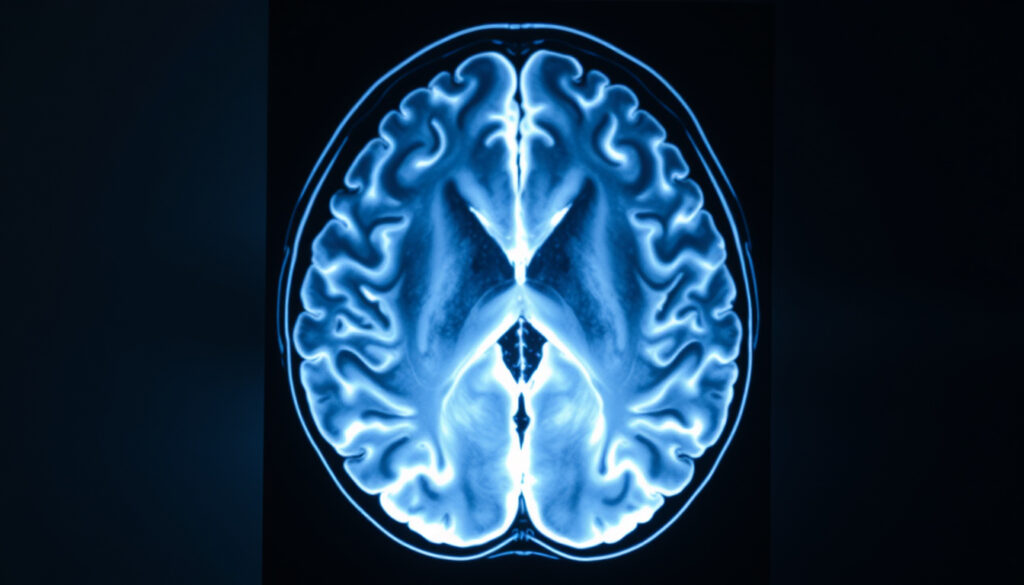
Frontotemporal dementia results from progressive damage to the frontal and temporal lobes of the brain, affecting behavior, personality, and language. The BBC describes it as an uncommon form of dementia (BBC News). The family’s 2023 statement framed FTD as the reason for the communication and cognitive changes being publicly observed (AFTD).
Was Bruce Willis ever a heavy drinker?
There is no credible public source linking Bruce Willis’ diagnosis to alcohol use. The family has not specified any cause for his FTD. Research into FTD causes is still evolving, and the majority of cases are sporadic (PubMed Central).
Is Bruce Willis able to speak?
Is Bruce Willis able to talk anymore?
In August 2025, Emma Heming Willis told ABC News that his ability to communicate is fading (ABC News (U.S. television network)). The family has not released a detailed medical report on his current speech abilities. Unnamed reports suggest he can no longer speak or read, but these are not confirmed by the family (Rolling Stone (music and culture magazine)).
Can Bruce Willis recognize himself?
In September 2023, Rolling Stone reported that the family said it was hard to know whether Bruce Willis was aware of his condition (Rolling Stone). Public reports do not confirm whether he currently recognizes himself.
The gap between confirmed family statements and unnamed reports is wide. Readers should treat any claim about Willis’ daily abilities as unverified unless it comes from the family or a source they explicitly authorized.
The implication for readers: treat unnamed reports with caution and rely on family statements.
What is the life expectancy of Bruce Willis’ condition?
What factors affect frontotemporal dementia life expectancy?
FTD is progressive and there is no cure (AFTD). Life expectancy varies widely depending on the subtype and age of onset. No public medical statement gives Bruce Willis a personal life expectancy. The family has not disclosed any prognosis beyond noting the disease is progressive (Today).
Is there a cure for frontotemporal dementia?
How is frontotemporal dementia treated?
Currently, no cure exists. The family’s 2023 statement explicitly said there are no treatments for the disease at present (AFTD). A May 2026 People report reiterated that there is no cure (People (celebrity news magazine)). Care focuses on managing symptoms, safety, communication, and caregiver support. Clinical trials are ongoing.
Does Demi Moore still take care of Bruce Willis?
Who is in Bruce Willis’ family care circle?
His wife Emma Heming Willis has been the primary public voice on his condition. Demi Moore has remained publicly active in health updates; she shared her own update about Willis in 2023 (Today).
Daughter Rumer Willis has also shared tender updates about her father (People). Day-to-day care arrangements are private and not fully disclosed.
What did Rumer Willis say about her dad?
Rumer Willis has posted heartfelt messages on social media, describing her father as loved and supported. In a 2026 People report, Emma Heming Willis said the family is doing the best they can under the circumstances (People).
Timeline of Bruce Willis’ health journey
- Spring 2022: The Willis family announces Bruce Willis has aphasia; he steps away from acting (AFTD).
- February 16, 2023: The family says his condition has progressed and gives frontotemporal dementia as the more specific diagnosis (AFTD).
- August 26, 2025: Emma Heming Willis says Willis is in good physical health but his brain is failing (BBC News).
What we know — and what we don’t
Confirmed facts
- Bruce Willis was diagnosed with aphasia in spring 2022.
- His condition progressed, and in 2023 his family announced a more specific frontotemporal dementia diagnosis.
- He retired from acting in 2022.
- No cure for FTD currently exists.
What’s unclear
- The exact current extent of Willis’ language and recognition abilities.
- Bruce Willis’ specific life expectancy.
- Day-to-day caregiving arrangements within the family.
- Any role that lifestyle factors, including alcohol, played in his illness.
Voices from the family
“We are so encouraged by the outpouring of love and support that we have received from all of you. It means the world to us.”
— Willis family statement, February 2023 (AFTD)
“He is in great health overall — but his brain is failing.”
— Emma Heming Willis, August 2025 (BBC News)
“He is so loved and supported. We are all doing the best we can.”
— Rumer Willis, via social media (reported by People)
For the millions who admire Bruce Willis, the reality of his condition is a stark reminder that even the most vibrant lives can be touched by progressive illness. The family’s careful stewardship of his privacy and dignity sets a tone. For caregivers navigating FTD, the implication is clear: lean on trusted organizations like the Association for Frontotemporal Degeneration, or risk facing the disease alone.
culturacolectiva.com, imdb.com, yahoo.com, economictimes.indiatimes.com, yahoo.com
Frequently asked questions
How old is Bruce Willis?
Bruce Willis was born on March 19, 1955. As of 2025, he is 70 years old.
What are the early symptoms of frontotemporal dementia?
Early symptoms include changes in personality, behavior, and language. Patients may become apathetic, lose inhibitions, or have difficulty finding words.
How is frontotemporal dementia different from Alzheimer’s disease?
FTD primarily affects the frontal and temporal lobes, causing behavioral and language changes, while Alzheimer’s typically begins with memory loss.
Who is Bruce Willis’ wife?
Bruce Willis is married to Emma Heming Willis, a model and wellness advocate. They have been married since 2009.
What is aphasia?
Aphasia is a language disorder that affects a person’s ability to speak, write, and understand language, often caused by brain damage or progressive neurological conditions.
What support is available for FTD caregivers?
Organizations like the Association for Frontotemporal Degeneration (AFTD) offer educational resources, support groups, and helplines for caregivers.
Can frontotemporal dementia be inherited?
About 30–50% of FTD cases have a family history, and specific genetic mutations have been identified. Genetic testing and counseling are available.
More related posts
 Airbnb Guide 2025: Costs, Red Flags & Hotel Comparison
 Point Break 1991 Cast: Keanu Reeves, Swayze & Surf Trivia
 Biggest Airport in the World by Size & Traffic
 Altered Carbon Season 2: Why It Was Bad & Canceled
 Arsenal vs Man City: Head-to-Head, Live Stream, and Stats
 Subway Meal of the Day – Price, Schedule & Locations
 Megan Thee Stallion Songs: Complete Guide to Her Hits & Awards
 How Long Does Menopause Last? Average Duration & Stages